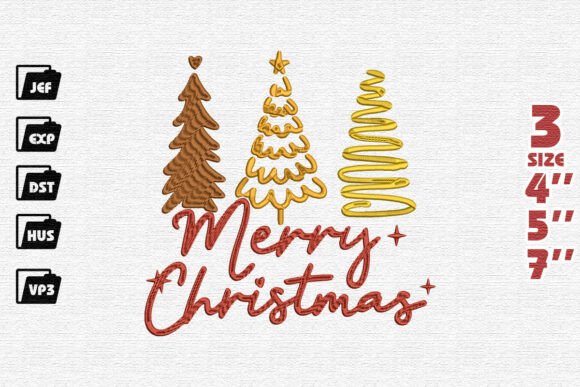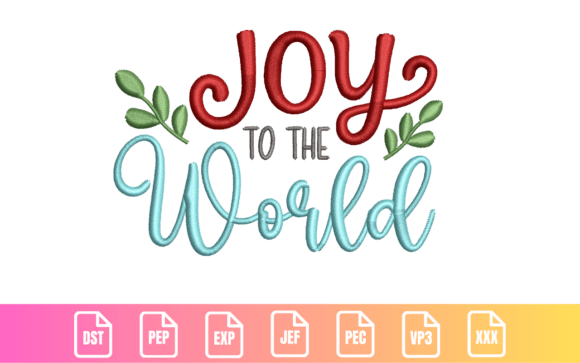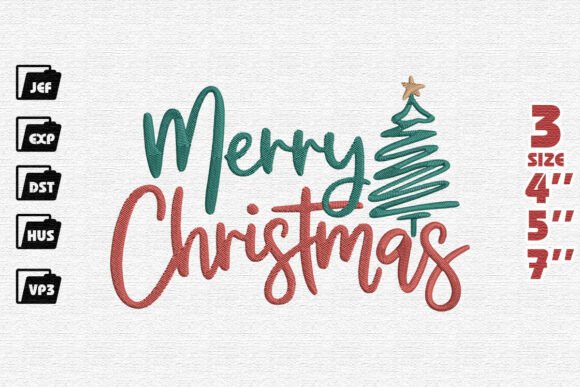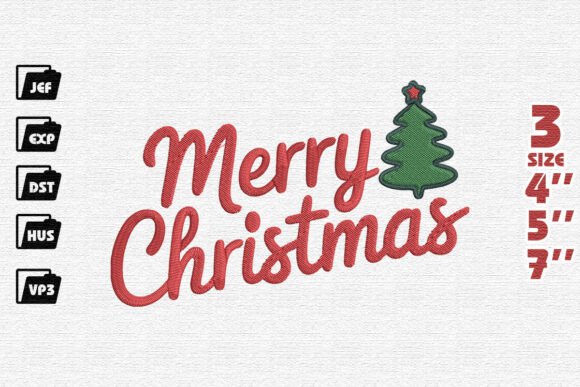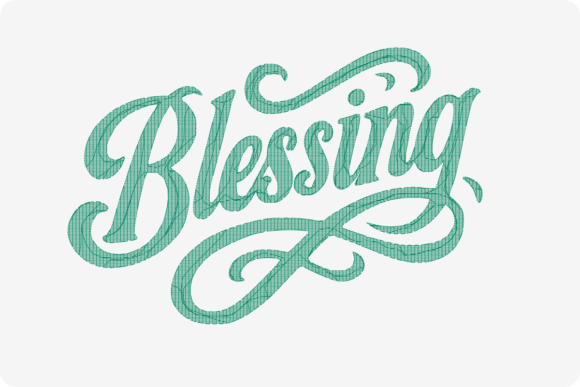
Blessing Script Lettering
A Seasonal Designer’s First Look: Graceful, Warm, and Gift-Ready
As an embroidery designer who’s built six holiday collections for small shops and Etsy sellers, my first impression of Blessing Script Lettering is immediate and positive: it reads as soft-spoken elegance—not loud or flashy, but deeply intentional. The script flows with gentle curves and balanced spacing, evoking warmth, sincerity, and quiet celebration. It lands firmly in the cozy-elegant zone—neither overly rustic nor starkly modern—making it ideal for Family Friends collections where emotional resonance matters more than trend-chasing. Whether stitched on a linen tea towel or a baby onesie, Blessing Script Lettering feels spiritual without being religious, romantic without being cutesy, and premium without demanding luxury pricing. That versatility is gold during peak gifting seasons.
Where It Shines: Real Holiday Product Applications
This machine embroidery design performs exceptionally well across high-demand seasonal categories. On sweatshirt embroidery, it anchors a relaxed, heartfelt aesthetic—perfect for family matching sets (think “Blessings” on adult hoodies and “Blessed” on toddler tees). As a tote bag design, it adds quiet sophistication to farmer’s market or Christmas market displays—especially when paired with natural jute or unbleached cotton. For kitchen towel embroidery, the script’s open letterforms prevent thread buildup on dense terry loops, and its moderate height ensures legibility even after repeated washing. It also translates beautifully to pillow cover accents, ornament fronts, aprons, and table linens—always lending a handmade gift that feels personal, not mass-produced.
On embroidered patch applications, Blessing Script Lettering holds up well when fused or sewn onto denim jackets or backpacks—a subtle yet meaningful detail shoppers love to photograph and share. For Etsy sellers, this digital embroidery file supports strong visual storytelling: pair it with warm-toned printable mockups showing stitched samples on neutral backdrops, and watch engagement rise in holiday preview posts. It’s equally effective in craft fair booths—where customers respond to the calm confidence of the lettering—and in limited-edition product drops, where its understated charm helps differentiate a small shop product from louder, trend-driven competitors.
Smart Placement & Stitching Considerations
Like any thoughtful seasonal embroidery choice, Blessing Script Lettering rewards careful execution. Avoid placing it on items requiring ultra-small hoop sizes (under 3" x 3")—the delicate joins between letters can distort at tiny scales. Similarly, skip using it on heavily textured fabrics like thick waffle-weave towels unless you’ve tested stabilizer layers thoroughly; the script’s fine details need smooth support to read cleanly. On dark fabric, test thread colors early—cream, heather gray, or oatmeal often outperform stark white for warmth and readability. Metallic thread? Proceed with caution: while beautiful in mockups, it can snag or break on tighter curves—reserve it for low-stress placements like flat pillow covers, not stretchy garments or curved caps.
For apparel decorators, remember that Blessing Script Lettering isn’t optimized for high-stretch knits without proper cutaway stabilizer and reduced stitch density. Always run a test stitch on scrap fabric matching your final garment’s weight and drape. And if you’re planning repeat-wash items (like baby bibs or kitchen linens), confirm the embroidery file uses balanced fill and satin stitches—not excessive underlay—that hold up over time without puckering or fraying.
Why It Builds Trust & Drives Holiday Sales
Holiday shoppers don’t just buy products—they buy feeling, memory, and meaning. Blessing Script Lettering taps directly into that emotional current. Its tone reinforces authenticity, care, and intentionality—qualities that build customer trust faster than any discount code. When used consistently across a collection (e.g., matching personalized gift tags, tote bags, and pillow covers), it strengthens brand recognition without needing logos or slogans. That consistency makes your shop feel curated, not cluttered—a huge advantage during crowded holiday browsing.
It also elevates perceived value. A simple cotton apron becomes a cherished heirloom when stitched with Blessing Script Lettering; a plain linen pillow cover becomes a centerpiece when the script catches light just so. That subtle premium lift encourages higher price points and reduces price sensitivity—critical when competing against big-box alternatives. And because it works across generations (grandmothers love it on tea towels; teens appreciate it on minimalist totes), it expands your reach within the Family Friends category without alienating any segment.
Designer Notes You Can’t Skip
- Always test thread colors on both light and dark fabric swatches—what looks elegant on screen may vanish on charcoal linen.
- Check stitch density before production runs—overly dense fills can overwhelm delicate script lines and stiffen fabric undesirably.
- Confirm hoop size compatibility with your primary machines and common project types (e.g., cap frames vs. flatbed hoops).
- Use appropriate stabilizer: medium-weight cutaway for knits, tear-away for stable wovens, and fusible + tear-away combo for towels.
- Create realistic mockups—not just flat renders, but draped, lit, and styled shots that show how the script interacts with real fabric texture and folds.
- Review small details post-stitch: check letter connections, thread tails, and edge clarity—especially on curved surfaces like mugs or ornaments.
- Plan cohesive color palettes in advance—pair Blessing Script Lettering with seasonal neutrals (oat, sage, clay) and one accent (deep cranberry, forest green) for unified holiday listings.
- Verify commercial licensing before selling finished products—this Embroidery design must be cleared for resale in your region and platform (Etsy, Shopify, craft fairs).
In short: Blessing Script Lettering isn’t just another holiday embroidery file—it’s a thoughtful, emotionally intelligent tool for makers who understand that the best seasonal products don’t shout. They settle in, stay true, and make people feel seen. Use it with care, test with purpose, and let its quiet grace do the rest.