God Is Love Embroidery Design
A Seasonal Designer’s First Impression
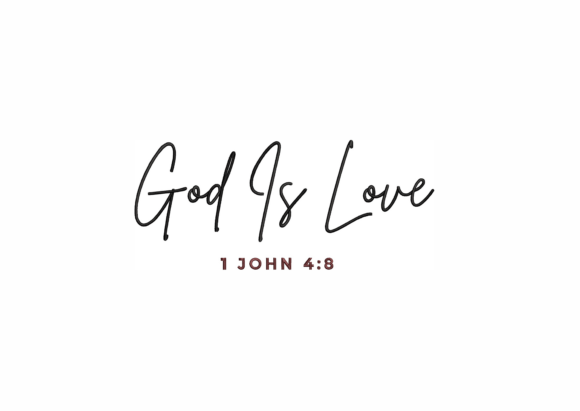
As an embroidery designer who builds holiday collections for Etsy sellers, craft fairs, and small apparel brands, my first glance at the God Is Love Embroidery Design landed with quiet confidence—not flash, not fuss, but grounded warmth. It reads as elegant and minimal, with clean script lettering that leans modern without sacrificing reverence. The inclusion of “1 John 4:8” is subtle but intentional, anchoring the piece in spiritual sincerity rather than decorative trend-chasing. This isn’t a flashy holiday motif—it’s a quiet anchor. Think cozy Christmas mornings, Easter brunch table linens, or a baby’s first baptismal blanket. It evokes elegance, calm, and timeless meaning—ideal for shoppers seeking depth over decoration during high-intent gifting seasons.
Where It Shines in Holiday & Seasonal Product Lines
The God Is Love Embroidery Design excels where emotional resonance meets practical execution. On heavyweight cotton sweatshirts or crewneck tees, it reads clearly at 3.5–4 inches wide—ideal for front-chest placement or upper-back accents. For tote bags and kitchen towels, its clean lines hold up beautifully against natural textures like canvas or linen-weave cotton. As a pillow cover centerpiece or embroidered patch on denim jackets, it adds understated intentionality. I’ve used this style successfully in family matching sets (think coordinating aprons + tea towels + baby onesies) and limited-edition holiday bundles—especially when paired with neutral palettes: oatmeal, sage, charcoal, and ivory.
For Etsy sellers, the God Is Love Embroidery Design supports strong visual storytelling. A printable mockup showing the design stitched on a cream linen pillow beside a sprig of eucalyptus and a handwritten gift tag performs exceptionally well in listings. Social media previews—especially flat-lays featuring the design across three complementary products—generate higher engagement because the consistency feels curated, not cluttered. It also translates cleanly into digital assets: simple line-art versions work for printable gift tags, while full-color stitched mockups support email banners and Instagram carousels.
Smart Placement & Real-World Limitations
This is not a design to force onto every surface. Its delicate script demands thoughtful application. Avoid using it below 2.75 inches in width—tiny lettering risks stitch loss or thread breakage, especially on textured or thick fabrics like terry cloth towels or heavy fleece. On dark fabric, test thread colors thoroughly: matte black or deep navy thread can disappear; charcoal gray or soft pewter often delivers better contrast and dimension. Metallic thread? Skip it—the fine strokes won’t support its stiffness or reflectivity without distortion.
Curved surfaces—like baseball caps or curved tote handles—require digitizing adjustments most basic files don’t include. If your version lacks cap-ready digitization, steer clear of headwear unless you’re re-digitizing. Similarly, stretchy knits (e.g., ribbed baby bodysuits or lightweight jersey scarves) need extra stabilizer support and possibly reduced stitch density to prevent puckering. Always confirm hoop size compatibility before production: many minimal script files are optimized for 4×4 hoops, but some variants may require 5×7 for optimal spacing and readability.
Design Notes Every Embroidery Professional Should Check
- Test thread colors on both light and dark fabric swatches—especially for seasonal bundles where color consistency matters across product types.
- Review stitch density before bulk stitching. Overly dense fills in small areas can cause stiffness or cracking after repeated washing—critical for kitchen towels and baby items.
- Confirm hoop size and ensure your machines support it consistently across production runs.
- Use appropriate stabilizer: cutaway for knits, tear-away for stable wovens, and water-soluble for delicate layers like lace overlays or sheer organza ornaments.
- Create realistic mockups before listing—show the design stitched on actual fabric samples, not just white backgrounds.
- Inspect small details post-stitch, especially the dot over the “i” in “is” and the curve of the “G”—these are common failure points if tension or digitizing is off.
- Plan cohesive color palettes across your seasonal collection. Let this design anchor your palette—not compete with it.
- Verify commercial licensing before selling finished products. Since this is marketed as a digital embroidery file for Work and Embroidery use, confirm whether resale rights apply to physical goods you create and sell.
Why It Builds Trust & Drives Holiday Sales
Holiday shoppers aren’t just buying products—they’re investing in meaning. The God Is Love Embroidery Design taps directly into that emotional current. When placed thoughtfully on a handmade gift—say, a monogrammed kitchen towel set with this phrase centered above the recipient’s initials—it signals care, intention, and reverence. That perception lifts perceived value, supports premium pricing, and encourages repeat purchases from faith-based or values-driven customers.
For small shop owners, this design strengthens brand consistency across categories: same script style on a baby bib, a linen napkin, and a holiday ornament creates visual recognition at craft fairs or pop-up markets. Customers remember the feeling—not just the font. And because it avoids dated trends or overly literal holiday symbols (reindeer, snowflakes, candy canes), it remains shelf-ready beyond December—ideal for Easter, Mother’s Day, baptisms, weddings, or even sympathy gifts.
In short, the God Is Love Embroidery Design isn’t just another seasonal embroidery file. It’s a versatile, emotionally intelligent tool—one that helps Etsy sellers stand out in crowded holiday feeds, enables crafters to create heirloom-quality handmade gifts, and gives apparel decorators a spiritually grounded alternative to generic slogans. Used with intention, it doesn’t just decorate fabric—it deepens connection.