Modern Script Love Embroidery Review
A Designer’s First Impression: Fluid, Feminine, and Quietly Confident
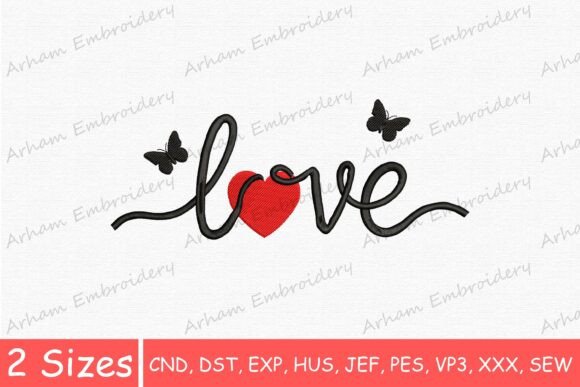
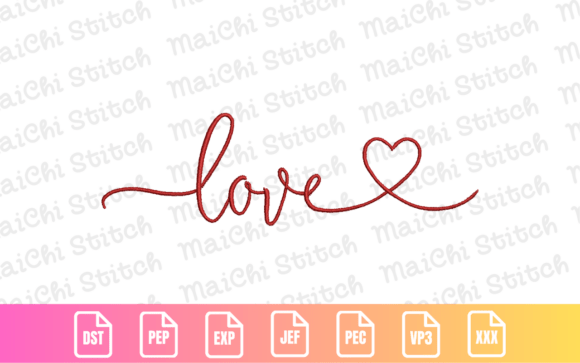
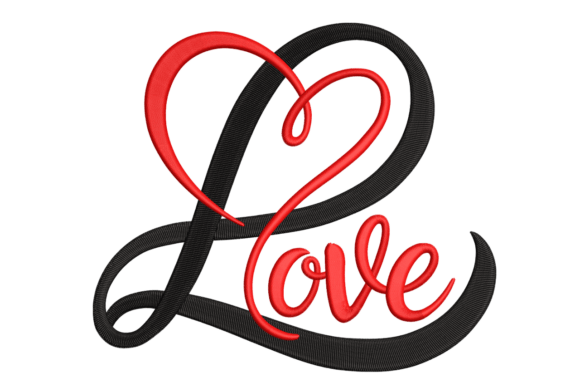
Opening Modern Script Love on my embroidery software, I immediately noticed its graceful rhythm—no sharp angles, no forced symmetry. This isn’t a bold Valentine’s Day shout; it’s a whispered affirmation stitched in confident cursive. The letterforms have subtle swelling and tapering, with gentle lifts on ascenders and soft landings on descenders. It reads as premium but approachable—neither overly ornate nor minimalist to the point of sterility. For boutique apparel, that balance is gold: it feels intentional without feeling precious, romantic without leaning into cliché. It’s feminine, yes—but grounded in craftsmanship, not frills.
How It Performs Across Real Apparel Projects
I tested Modern Script Love across a small capsule collection: neutral French terry sweatshirts, heathered hoodies, ivory linen-blend tees, washed denim jackets, and unbleached cotton tote bags. Here’s what stood out:
- Sweatshirt embroidery: On midweight fleece, the script held clarity beautifully—especially when placed just below the collarbone or centered on the chest. The stitch density felt intentional: dense enough to read clearly at arm’s length, but open enough to avoid stiffness or puckering.
- Hoodie design placement: Centered on the chest? Elegant. Curved subtly along the left sleeve cuff? Unexpectedly modern. Avoid full-back placement unless scaled up significantly—the original size reads best as an intimate detail, not a statement banner.
- T-shirt embroidery: Works cleanly on structured cotton blends, especially with light stabilizer backing. On slouchy jersey knits, I added tear-away + light cutaway stabilizer beneath—critical for preserving the fluidity of the script under stretch.
- Tote bag & lifestyle product photos: Paired with muted thread colors (oatmeal, dusty rose, charcoal), Modern Script Love elevated handmade totes from “cute gift” to “curated lifestyle piece.” It translated exceptionally well in printable mockups—clean lines, no jagged edges, consistent kerning.
- Etsy listings & social media graphics: Because the design avoids seasonal overload (no hearts, cupids, or candy motifs), it photographs consistently across seasons—making it ideal for evergreen listings. It also scales gracefully for Instagram story overlays or Pinterest pins without losing legibility.
Where to Use It Thoughtfully—And Where to Pause
Modern Script Love shines brightest when treated like a signature—not a filler. That means being selective about context:
- Avoid tiny chest placement on oversized garments: The natural flow of the script depends on proportion. On XXL+ hoodies, centering it too high or shrinking it too much breaks its visual cadence. Better to place it lower—just above the hem—or scale up slightly.
- Stretchy fabric demands prep: Ribbed knits and lightweight jerseys need proper stabilization before stitching. Test first—especially around curved seams where tension shifts.
- Dark garments reward contrast: On black or navy, opt for matte thread (not glossy) in cream, slate, or burgundy—not white. Glossy white can look synthetic against rich fabric texture.
- Fleece and brushed fabrics require lint management: A quick pre-stitch lint roll keeps fibers from tangling in the needle or distorting fine curves.
- Curved surfaces (like sleeves or collars) benefit from re-hooping: Don’t force the entire design onto a single curve. Break it into segments if needed—or choose flatter placement zones for cleaner results.
Why It Strengthens Boutique Brand Identity
For small shop owners and creative entrepreneurs, consistency is currency. Modern Script Love doesn’t scream “Valentine S Day”—it whispers “thoughtful design.” That makes it versatile across collections: use it on spring sweatshirts, summer linen tees, fall denim jackets, even holiday-themed totes styled with dried florals and neutral ribbons. When repeated across products with cohesive thread palettes and placements, it becomes part of your brand’s visual language—not just decoration.
Customers notice that intentionality. A hand-embroidered Modern Script Love on a heavyweight hoodie signals care in sourcing, execution, and aesthetic judgment. That builds trust faster than any tagline. And because it’s a clean machine embroidery design—not pixelated or over-rendered—it photographs professionally, boosting perceived value in Etsy listings and Instagram feeds alike.
Practical Notes Every Embroidery Designer Should Check
Before committing to production, I always run these checks—especially with Creative Fabrica embroidery files:
- Test on scrap fabric that matches your final garment’s weight, stretch, and finish—not just plain cotton.
- Confirm stabilizer choice: Light cutaway works best for knits; tear-away suffices for stable wovens like denim or canvas.
- Review thread color contrast under both natural and indoor lighting—some shades shift dramatically.
- Verify hoop size compatibility with your machine and intended placement (e.g., chest vs. sleeve).
- Inspect stitch density visually in your software—look for overlapping fills or tight corners that may snag on textured fabrics.
- Test on a similar garment fabric before stitching your first finished product.
- Compare placement options using a printable mockup—sometimes 1/4" higher or 3/8" left changes everything.
- Review Creative Fabrica product details and licensing before selling finished apparel—commercial use rights vary by seller.
Final Thoughts for the Intentional Maker
Modern Script Love isn’t a trend-chasing embroidery file—it’s a quietly confident tool for designers who value nuance over noise. It elevates custom apparel without overwhelming it. It supports storytelling rather than shouting over it. Whether you’re launching your first Etsy shop, expanding your boutique brand’s seasonal line, or refining your commercial embroidery offerings, this machine embroidery design earns its place in a considered library—not as a novelty, but as a reliable voice in your visual vocabulary. Just remember: its strength lies in how thoughtfully you place it, stabilize it, and pair it. Let it breathe. Let it belong. Then let it speak—for your brand, your craft, and your customers.